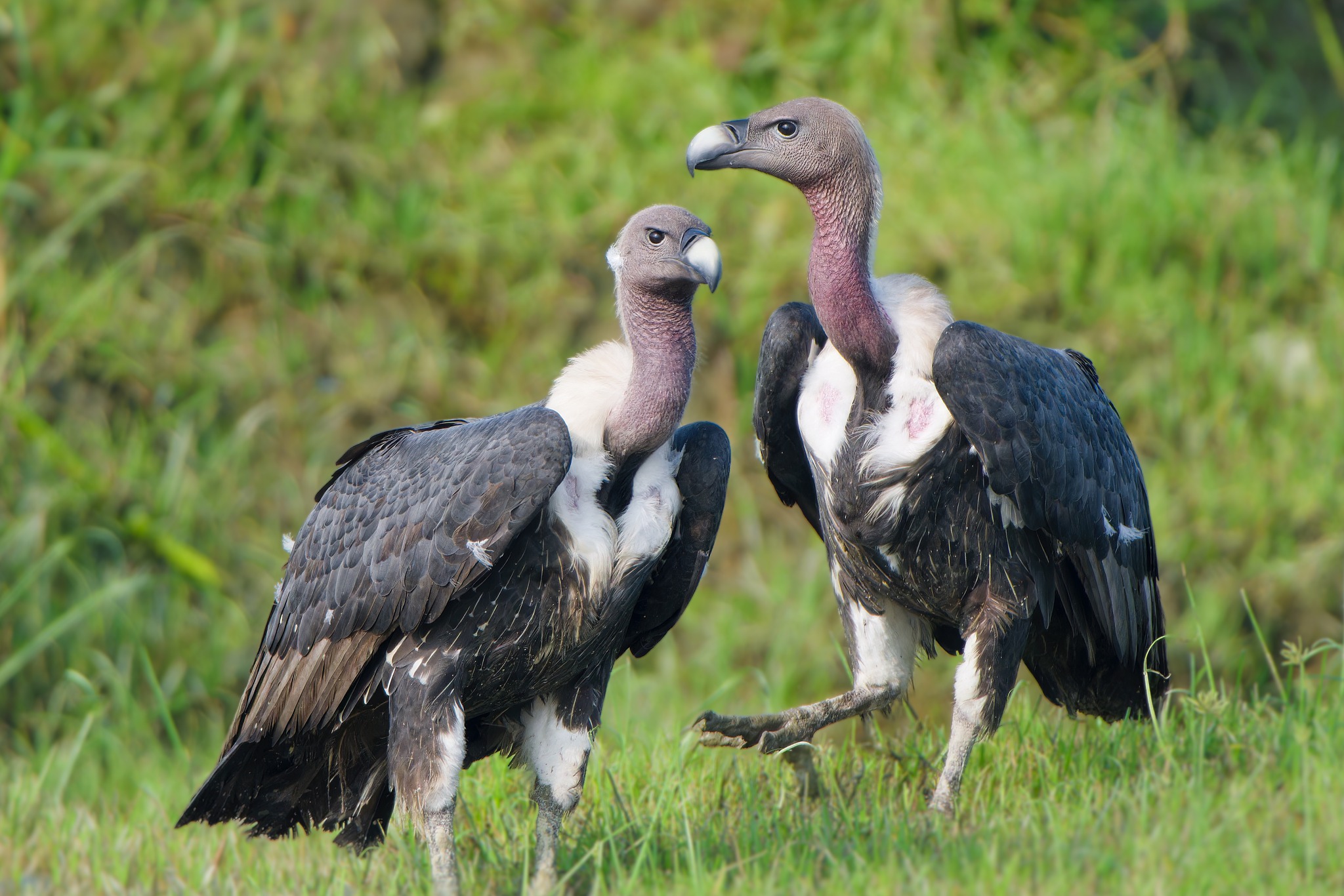
On the very first morning of my recent journey into the Sundarbans—the world’s largest mangrove forest—I had the rare and unforgettable opportunity to witness a pair of critically endangered White-rumped Vultures (Gyps bengalensis). Their majestic presence against the backdrop of the tranquil mangroves was a stark reminder of a species teetering on the brink of extinction in Bangladesh.
Vultures in Bangladesh: An Overview
Once widespread and common across the country, vultures in Bangladesh have suffered a catastrophic decline over the past few decades. Several species have been recorded in Bangladesh, including:
- White-rumped Vulture (Gyps bengalensis) – Critically Endangered
- Slender-billed Vulture (Gyps tenuirostris) – Critically Endangered
- Himalayan Griffon (Gyps himalayensis) – Occasional visitor
- Red-headed Vulture (Sarcogyps calvus) – Possibly extirpated
- Egyptian Vulture (Neophron percnopterus) – Rare sightings
Of these, the White-rumped Vulture is the most commonly found resident species and is the focus of current conservation efforts.
Meet the White-rumped Vulture
The White-rumped Vulture is a large scavenging bird with a bald head, a thick neck ruff, and striking white patches on its rump and underwings, which are easily visible during flight. They are obligate scavengers, meaning they rely entirely on carrion (dead animals) to survive—making them essential for maintaining a clean and disease-free ecosystem.
Natural Habitat
Historically, these vultures were seen across rural and forested areas, often near human settlements where livestock were kept. In Bangladesh, sightings have become extremely rare, with small breeding populations surviving in the Sundarbans, parts of Sylhet, and remote forest patches of the Chittagong Hill Tracts.
The Sundarbans offer a unique sanctuary with low human disturbance, plentiful food in the form of dead animals, and tall trees for nesting.
Interesting Facts about White-rumped Vultures
- They can digest anthrax and rabies viruses due to highly acidic stomachs.
- A single vulture can consume an entire carcass in less than 30 minutes, cleaning the environment efficiently.
- They are monogamous, often mating for life and raising one chick per year.
- Vultures are silent birds, rarely making sounds, unlike other raptors.
IUCN Status in Bangladesh
According to the International Union for Conservation of Nature (IUCN), the White-rumped Vulture is listed as Critically Endangered, both globally and in Bangladesh. The species has seen a decline of over 99% in South Asia since the 1990s.
Bangladesh has placed the bird in its Red List of threatened species, indicating an extremely high risk of extinction in the wild.
Why Are Vultures Threatened in Bangladesh?
Several interconnected factors have contributed to the vulture crisis:
- Diclofenac Poisoning
The most devastating factor was the veterinary use of diclofenac, an anti-inflammatory drug used to treat cattle. When vultures consumed carcasses of animals treated with diclofenac, they suffered acute kidney failure, leading to mass deaths. - Habitat Loss and Deforestation
Logging, agricultural expansion, and infrastructure development have destroyed critical nesting and roosting sites. - Food Scarcity
With modern sanitation and carcass disposal methods, there are fewer dead animals available in the open, reducing food availability for vultures. - Human Disturbance and Superstition
In some areas, vultures are wrongly believed to bring bad omens, leading to their persecution or nest destruction. - Environmental Contamination
Consumption of poisoned carcasses (used to kill stray dogs or tigers) has indirectly poisoned vultures too.
Hope on the Horizon: Conservation Efforts
Bangladesh has launched several initiatives to save vultures:
- Vulture Safe Zones (VSZs): Protected areas where the use of harmful drugs like diclofenac is banned.
- Captive Breeding Programs: Efforts to breed vultures in controlled environments with the goal of reintroducing them into the wild.
- Awareness Campaigns: Educating farmers and vets about vulture-safe alternatives like meloxicam, a safe drug substitute for livestock.
- Nest Monitoring & Research: Regular surveys and tagging help track vulture movements and health.
Final Thoughts
The sighting of a White-rumped Vulture pair in the Sundarbans is not just a personal highlight—it’s a sign of fragile hope. These majestic scavengers are nature’s cleanup crew, quietly maintaining ecological balance. Their disappearance not only threatens biodiversity but also opens the door to disease outbreaks like anthrax, tuberculosis, rabies, and more.
To protect the vultures is to protect ourselves. Time is short, but with continued conservation and awareness, the skies of Bangladesh may yet echo with the silent grace of these soaring sentinels.